Higher Education -
Vocational & University Sponsorship
Frequently Asked Questions
What is Vocational School vs. University?
In the Ugandan education system, after completing secondary school, students typically take one of two paths for higher education:
-
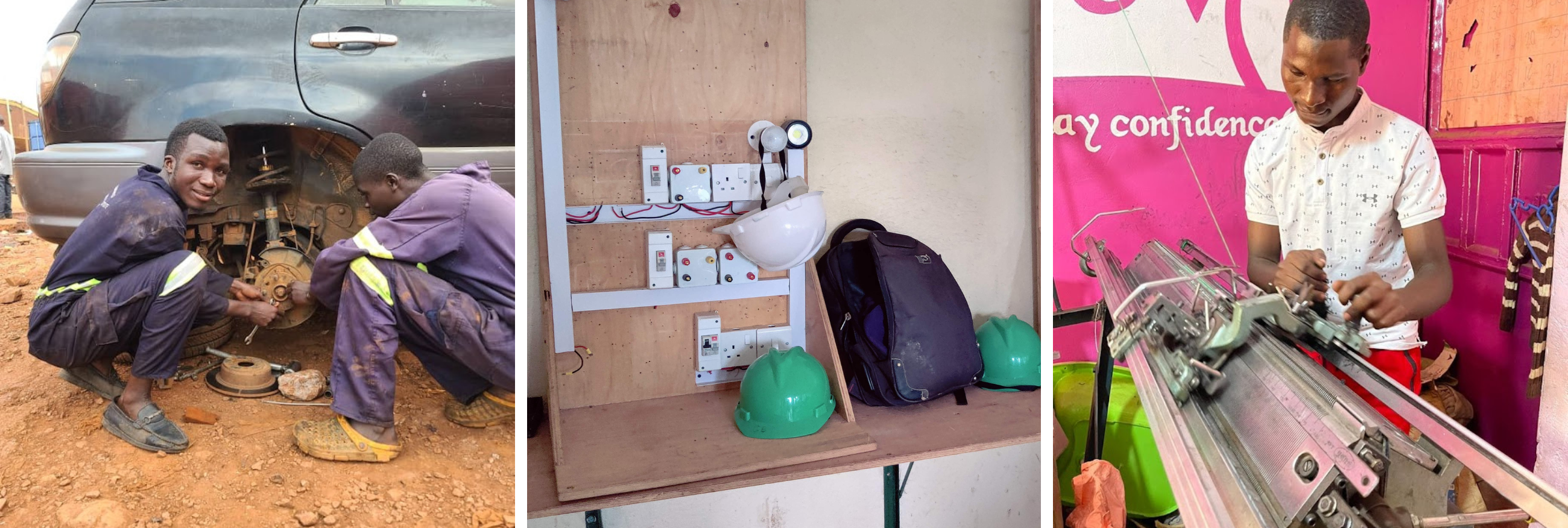
Vocational School: This is a specialized alternative to traditional academics. Instead of focusing on theory, students enter intensive, hands-on programs to master a specific trade (such as motor vehicle repair, agriculture, nursing, or tailoring). They graduate with a National Certificate or Diploma and a directly marketable skill set.
-
University: This is a traditional academic path focusing on professional, theoretical, and analytical degrees (such as business administration, education, social work, or development studies). Students graduate with a Bachelor’s Degree, preparing them for corporate, civic, or institutional careers.
Why do some students choose vocational training, while others choose University?
Uganda has one of the youngest populations in the world, and employment paths vary greatly depending on a student's strengths and goals:
-
Vocational training bridges the gap between education and immediate employment. Because graduates have a specific, practical trade, they often find work much faster—or start their own small businesses—allowing them to support their families immediately.
-
University is chosen by students whose career goals require formal degrees. It offers a deeper dive into research, critical thinking, and management, opening doors to leadership roles, government positions, and corporate careers.
Both paths are highly respected and critical to breaking the cycle of poverty.
Why does my sponsorship rate increase when my student enters vocational school or University?
We understand that an increase in sponsorship can be a surprise. Though the training methods look very different, the financial investment to provide a high-quality university education or professional-grade vocational training is identical. This adjustment reflects those realities:
-
For Vocational Students: Tuition covers usage of expensive specialized equipment (like sewing machines, welding kits, or medical supplies), consumable materials (like wood for carpenters or fabric for tailors), and expert instructors who are licensed professionals in their fields.
-
For University Students: Tuition covers mandatory higher education levies, extensive research materials, text books, technology access, and university-level credit hours taught by professors.
-
Boarding & Living Expenses: Most vocational institutions and universities require students to live on or near campus. This increased rate ensures your student has a safe place to live, reliable meals, and the ability to focus entirely on their intensive studies and exams.
How much longer will I be sponsoring my student?
-
Vocational programs typically last between two and three years.
-
University degree programs typically last between three and four years.
By continuing your support through this final phase, you are ensuring that your student doesn't just "finish school," but successfully launches into self-sufficiency.
Can I still communicate with my student during this time?
Absolutely! In fact, this is often the most exciting time to hear from them. You’ll get to hear about the specific projects they are building and the dreams they have for their future businesses.
A Note to Our Sponsors: You have already changed a life by getting your student this far. Moving to Higher Educational support is the "finish line" of sponsorship—it is the final investment that transforms a vulnerable child into a skilled professional and a leader in their community. Thank you for staying the course.